The Creative Friction: AI Runs Headfirst into Gaming Culture
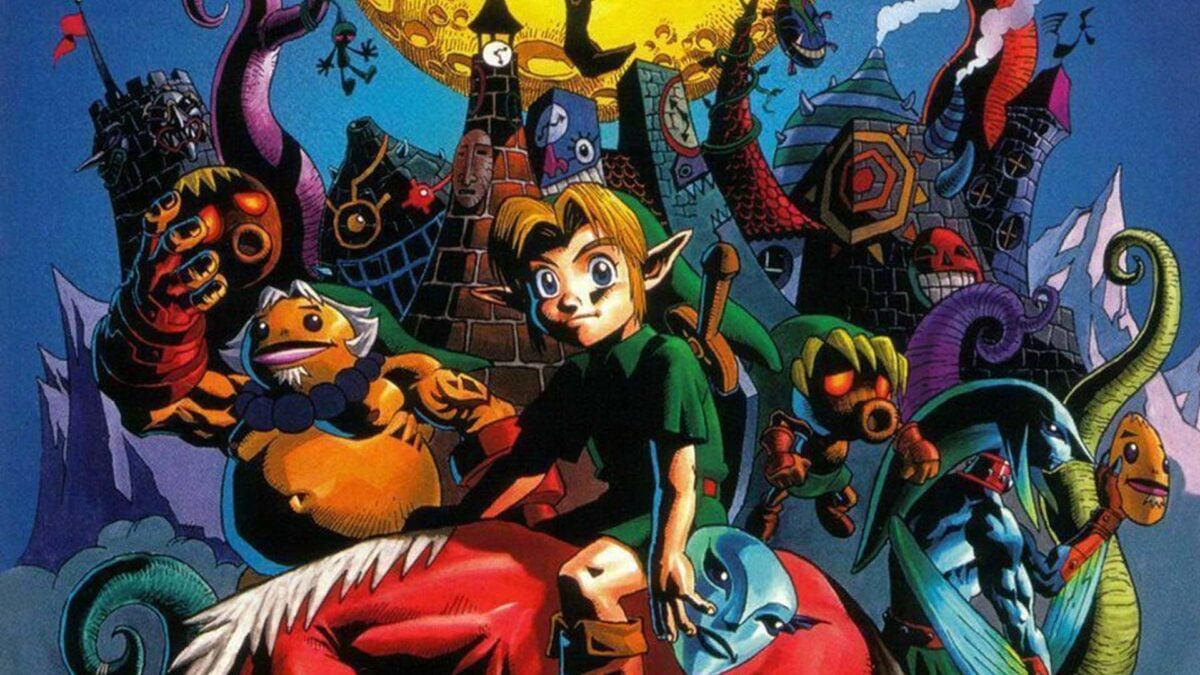
Today’s artificial intelligence headlines highlight a sharp and growing tension between technological experimentation and artistic integrity. While tech giants continue to normalize machine intelligence across consumer devices, the creative sector—particularly game development—is witnessing intense resistance against generative tools, proving that technical feasibility does not guarantee cultural acceptance.
The cultural friction came into sharp focus when Takaya Imamura, the venerated art director celebrated for his work on classics like The Legend of Zelda: Majora’s Mask and Star Fox, found himself in the crosshairs of an online firestorm. As reported by Kotaku, Imamura expressed shock at being severely criticized after sharing an experimental prototype developed with the assistance of generative AI. For an industry veteran with decades of foundational design work, the experiment was likely seen as just another tool for early-stage iteration. For audiences and fellow artists, however, any reliance on generative algorithms continues to feel like an existential departure from genuine craftsmanship.
The Cost of Intelligence: Monetizing Siri and Bargaining over Generative AI

Today’s artificial intelligence headlines highlight a turning point where theoretical promises collide directly with real-world balance sheets and labor protections. Between Apple mapping out how it plans to meter and monetize its assistant across consumer hardware and video game workers drawing hard boundaries against generative automation, the ecosystem is entering a far more pragmatic phase.
The most telling consumer AI development comes from Cupertino, where the fine print of Apple’s intelligence rollout is coming into sharper focus. According to reporting from MacRumors, Apple has confirmed that Siri AI will carry daily usage caps, with expanded access available under an additional subscription fee starting with its next software cycle. For months, the tech industry debated how consumer giants would offset the staggering compute costs of hosting foundation models at scale. Apple’s confirmation of usage ceilings delivers a clear answer: high-end, conversational AI will not remain an open-ended free utility. Running complex queries and agentic tasks incurs ongoing server expenses that device purchase prices simply cannot absorb indefinitely.
From Vision to Visuals: AI’s Push Into Wearables and Rendering

Today’s artificial intelligence developments highlight a striking contrast between the grand promises of ambient computing and the immediate friction that occurs when machine learning models tamper with visual fidelity. As major tech players race to integrate multimodal intelligence into daily life, new reports reveal how AI is attempting to both interpret our physical reality through wearable hardware and redraw our digital entertainment through advanced rendering algorithms.