The Creative Friction: AI Runs Headfirst into Gaming Culture
Today’s artificial intelligence headlines highlight a sharp and growing tension between technological experimentation and artistic integrity. While tech giants continue to normalize machine intelligence across consumer devices, the creative sector—particularly game development—is witnessing intense resistance against generative tools, proving that technical feasibility does not guarantee cultural acceptance.
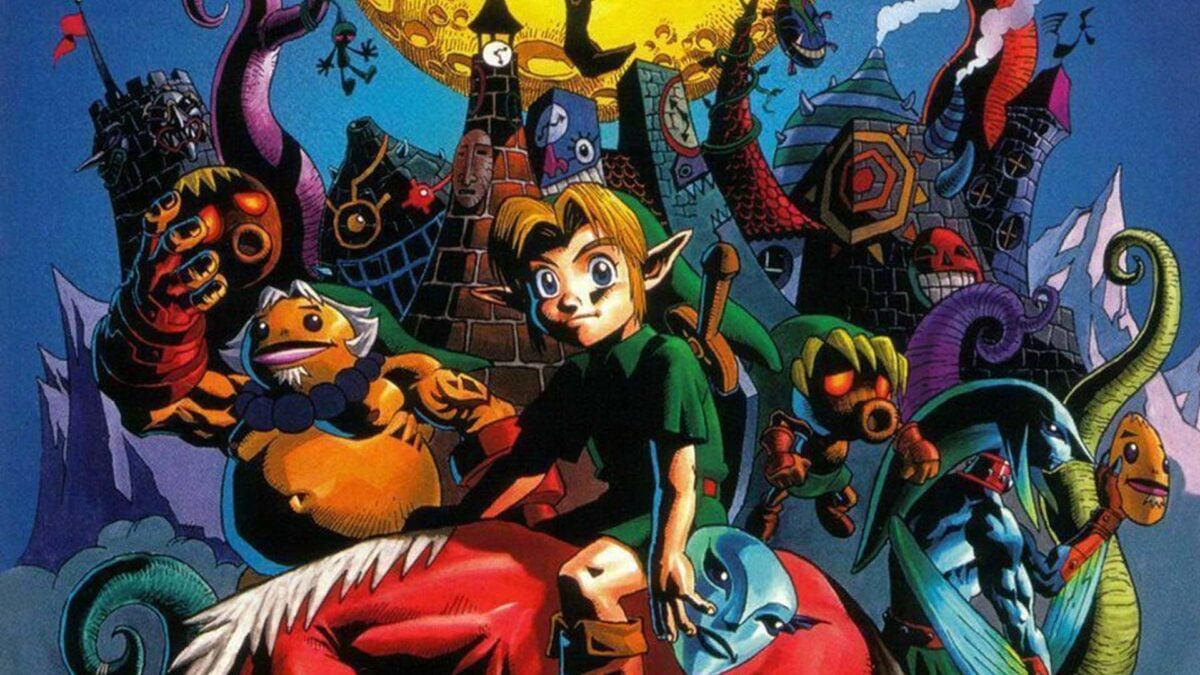
The cultural friction came into sharp focus when Takaya Imamura, the venerated art director celebrated for his work on classics like The Legend of Zelda: Majora’s Mask and Star Fox, found himself in the crosshairs of an online firestorm. As reported by Kotaku, Imamura expressed shock at being severely criticized after sharing an experimental prototype developed with the assistance of generative AI. For an industry veteran with decades of foundational design work, the experiment was likely seen as just another tool for early-stage iteration. For audiences and fellow artists, however, any reliance on generative algorithms continues to feel like an existential departure from genuine craftsmanship.
This controversy is far from an isolated incident. Across the Japanese games industry, studio leadership is facing similar pressure. As covered by Video Games Chronicle, the chief executive of Level-5 issued an explicit apology to fans after acknowledging that generative AI was utilized during recent showcases for beloved franchises, including Professor Layton and Yo-Kai Watch. When audience trust is tethered to the perceived human effort and visual identity behind long-running series, corporate attempts to streamline marketing or visual production with machine models are meeting immediate resistance.
While the artistic community actively debates where the boundaries of automation should lie, Silicon Valley pushes ahead with integrating AI deeper into daily consumer touchpoints. Mentioned in the broader tech landscape by The Verge, platforms like Meta continue advancing personalized AI agents designed to handle creative and operational tasks behind the scenes. The juxtaposition is striking: engineers are rushing to put autonomous assistants into every workflow, while the people on the receiving end of digital media are demanding proof of human origin.
Today’s developments serve as a reminder that the trajectory of artificial intelligence cannot be measured solely by model speed or generation quality. Tools may evolve rapidly inside development suites, but their ultimate value will be determined by whether the public actually welcomes machine-made contributions into the creative spaces they cherish most.